
How to Let Go, Feel Whole, and Reconnect with Yourself
Loneliness. Clinginess. Fear of abandonment. These emotions can feel overwhelming, but they’re more common than we think—and deeply human. At Bali Bliss Wellness, we help you to gently release these patterns and reconnect with inner peace through soulful healing experiences.
Whether you’re navigating heartbreak, anxious attachment, or simply longing to feel more secure in yourself, this guide offers clarity, comfort, and practical steps to begin your healing journey.
Understanding the Root of Loneliness, Clinginess, and Abandonment
These emotional patterns often feel overwhelming, but they’re not random. They have roots—usually in early life experiences, nervous system responses, and unmet emotional needs. When we understand where they come from, we can begin to heal them with compassion and clarity.
1. Early Attachment Wounds
Most fears of abandonment and loneliness begin in childhood. If a caregiver was emotionally unavailable, inconsistent, or left suddenly, the child’s nervous system learned that connection isn’t safe or reliable. This creates insecure attachment patterns, such as:
- Anxious attachment: constant need for reassurance, fear of being left, overthinking relationships
- Avoidant attachment: difficulty trusting others, pushing people away to avoid being hurt
- Disorganized attachment: a mix of both—wanting closeness but fearing it at the same time
These patterns often carry into adulthood, shaping how we relate to partners, friends, and even ourselves.
2. Fear of Being Alone with Ourselves
Loneliness isn’t just about missing others—it’s often about feeling disconnected from ourselves. When we haven’t built a strong inner relationship, being alone can feel empty or scary. We may rely on others to fill that space, leading to clinginess or emotional dependence. This fear can also be amplified by societal messages that equate being alone with being unworthy or unloved.
3. Nervous System Dysregulation
When we feel abandoned or alone, our nervous system can go into survival mode—fight, flight, freeze, or fawn. This can look like:
- Over-texting or over-explaining
- Shutting down emotionally
- People-pleasing to avoid rejection
Healing involves helping the nervous system feel safe again—through breathwork, sound therapy, and gentle somatic practices.
4. Lack of Emotional Safety
If we didn’t grow up feeling emotionally safe—where feelings were welcomed and validated—we may struggle to feel safe in relationships. We might cling to others, not because we’re needy, but because we’re trying to recreate a sense of safety we never had.
How Fear Shows Up in the Body and Mind
When we fear abandonment, our nervous system can go into survival mode:
- Overthinking or over-texting
- Shutting down emotionally
- People-pleasing to avoid rejection
- Feeling panicked when someone pulls away
These are not flaws—they’re protective responses. Healing means helping your body feel safe again.
How to Let Go of the Fear
Letting go doesn’t mean you stop caring. It means you stop letting fear control your actions. Here’s how to begin:
- Feel your emotions instead of avoiding them
- Practice breathwork to calm your nervous system
- Try sound healing to soothe anxiety and restore balance
- Write down your fears to understand and release them
- Use affirmations like “I am safe. I am enough. I am loved.”
Simple Ways to Support Yourself
You don’t need to wait for someone else to heal you. Here are things you can do on your own:
- Create a small self-love altar with items that comfort and inspire you
- Write a letter to your younger self offering love and reassurance
- Take quiet walks in nature to reconnect with your inner calm
- Dance or move your body to release stuck energy
- Meditate on the idea that everything changes—and that’s okay
How Bali Bliss Wellness Supports the Healing
At Bali Bliss, we create spaces where emotional safety is the foundation. Through:
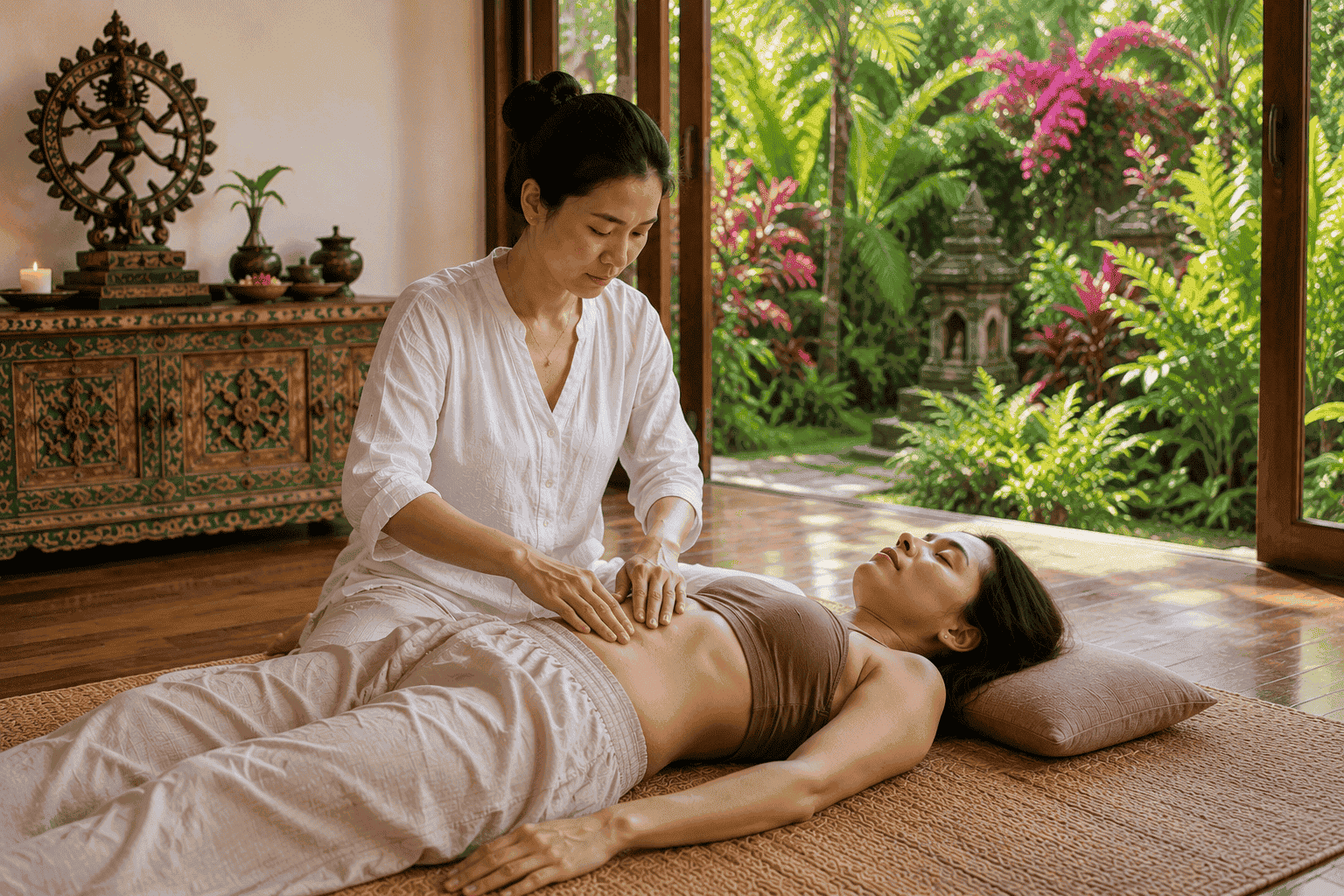
- Reiki: To clear energetic imprints of abandonment and restore balance
- Sound Therapy: To calm the nervous system and release stored emotional tension
- Breathwork (NLSD): To reconnect with your body and build inner resilience
- Intuitive Reading: To feel seen, held, and supported as you rewrite your emotional story
We don’t just treat symptoms—we help you heal the root.
Ready to Feel More at Peace?
Let Bali Bliss support your healing journey. Explore our sessions and take the first step toward emotional freedom.