
Trust is the foundation of every meaningful relationship—whether with ourselves or with others. Cultivating trust is not only a practice of the mind but also of the heart, and it is essential for living in harmony with our inner truth and the communities we build around us.
Trusting Yourself
Learning to trust yourself begins with listening inward. It is about honoring your intuition, respecting your boundaries, and acknowledging your strengths and vulnerabilities.
- Listen to your inner voice: Your intuition often knows the path before your mind catches up. Pause and notice what feels aligned.
- Celebrate small wins: Each time you follow through on a promise to yourself, you strengthen your self-trust.
- Embrace imperfection: Trusting yourself does not mean being flawless—it means believing in your ability to grow, adapt, and recover.
Rebuilding Self-Trust After Hardship
Past challenges or painful experiences can make it feel unsafe to rely on ourselves. Yet, those moments often hold the seeds of resilience and wisdom. Rebuilding trust is about gently reclaiming your inner authority.
- Acknowledge your story: Recognize what happened without judgment. Naming the experience allows you to honor it without letting it define you.
- Separate past from present: Remind yourself that past mistakes or hurts do not dictate your current capacity to choose wisely.
- Start small: Commit to simple, achievable promises—like a daily breath practice or journaling—and follow through.
- Seek supportive mirrors: Surround yourself with people who reflect your strengths back to you.
- Practice self-compassion: Trust grows when you treat yourself with kindness, even when you stumble.
Trusting Others
Trusting others is an act of openness and courage. It requires both discernment and compassion.
- Communicate with clarity: Honest and transparent communication builds a strong foundation for trust.
- Respect boundaries: Trust grows when we honor the limits and needs of others as much as our own.
- Practice empathy: Seeing the world through another’s perspective allows trust to deepen.
The Balance of Trust
Trust is not blind—it is balanced. It asks us to be discerning while remaining open, to protect our energy while welcoming connection. Practices such as meditation, mindful dialogue, and shared experiences nurture both self-trust and trust in community.
Guided Mindfulness Exercise: Grounding in Self-Trust
- Find a quiet space: Sit comfortably, close your eyes, and take three slow breaths.
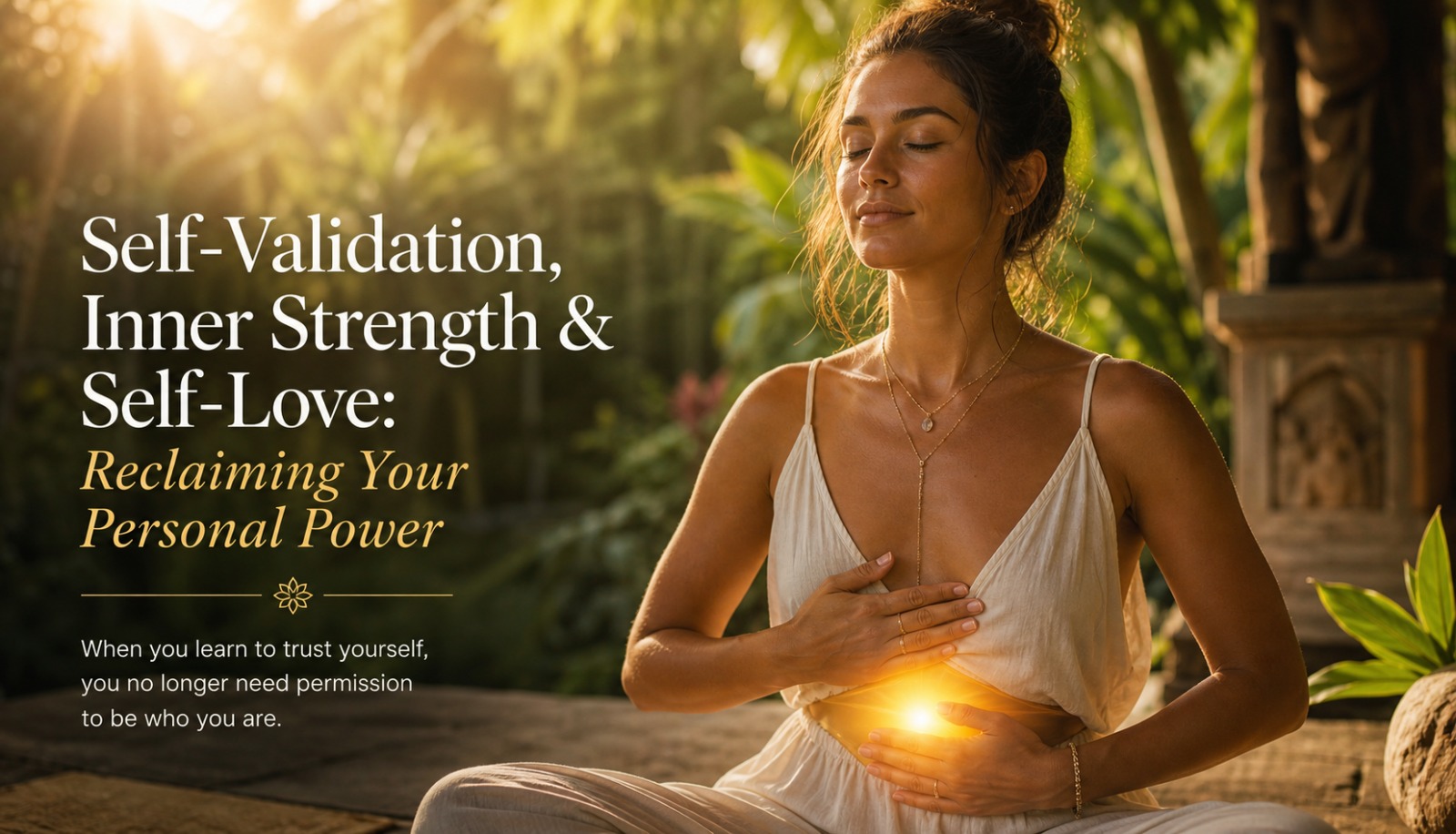
- Place a hand on your heart: Feel its rhythm, reminding yourself that you are alive and capable.
- Repeat silently: “I honor my past, I trust my present, I welcome my future.”
- Visualize a light: Imagine a warm glow in your chest expanding outward, filling you with calm assurance.
- Close with gratitude: Thank yourself for showing up in this moment.
This simple practice can be repeated daily to strengthen self-trust and bring gentle awareness to your inner resilience.
Key Takeaway
Trust is a living practice. It begins within, extends outward, and circles back to strengthen the bonds we hold with ourselves and others. By cultivating trust, we create spaces of safety, authenticity, and joy—both in our personal journeys and in the collective experiences we share.