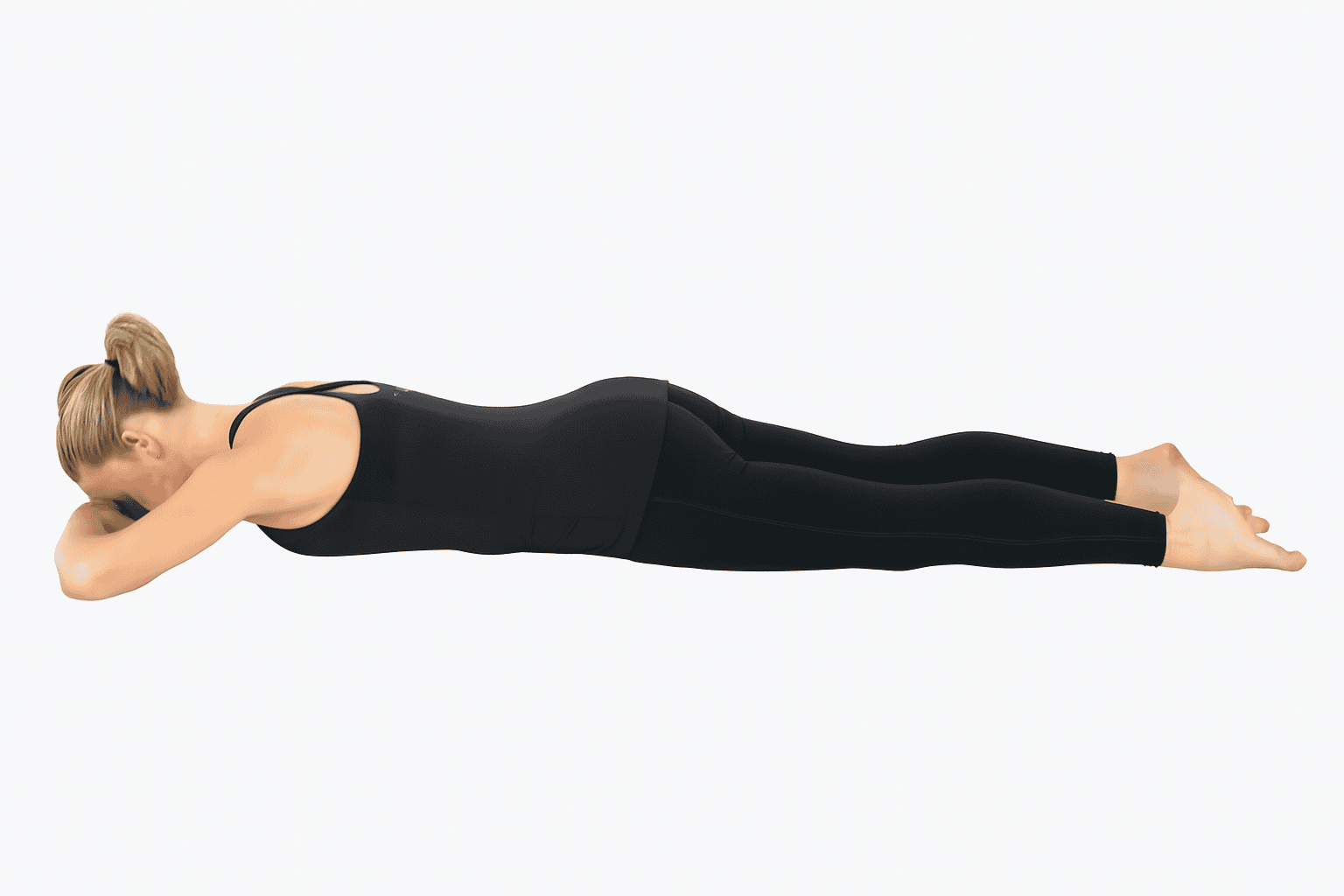
In a world that moves fast and breathes shallow, crocodile breathing invites us to pause, lie low, and reconnect with the rhythm of our body. It’s not just a quirky name—it’s a transformative breathwork practice that restores core stability, posture, and nervous system balance. Whether you’re a yogi, a desk-bound professional, or someone healing from chronic tension, this technique offers a gentle reset.
What Is Crocodile Breathing?
Crocodile breathing is a floor-based diaphragmatic breathing exercise. You lie face-down—like a crocodile basking in stillness—and breathe deeply into your belly, allowing the abdomen and lower ribs to expand against the ground. This position uses gravity and floor feedback to retrain your body to breathe naturally and efficiently.
Why the Name?
Imagine a crocodile resting on the riverbank, motionless except for the subtle rise and fall of its belly. That’s the visual—and the goal: calm, grounded, 360-degree breath.
Benefits of Crocodile Breathing
- Core Activation: Engages deep stabilizing muscles like the transverse abdominis and pelvic floor.
- Postural Reset: Encourages spinal alignment and reduces forward head posture.
- Pain Relief: Eases tension in the neck, shoulders, and lower back by reducing reliance on accessory breathing muscles.
- Stress Reduction: Shifts the body from fight-or-flight to rest-and-digest mode.
- Improved Movement: Enhances mobility and movement efficiency by restoring natural breath mechanics
Setup
- Lie face-down on a mat or soft surface.
- Stack your hands under your forehead or place arms by your sides.
- Let your legs relax and your body settle.
Breathwork
- Inhale slowly through your nose.
- Feel your belly press gently into the floor.
- Allow the breath to expand into your lower ribs and sides.
- Exhale softly through your nose or mouth.
- Keep your chest and shoulders relaxed—no lifting or straining.
Duration
- Start with 2–5 minutes.
- Gradually build up to 10 minutes daily or as needed.
When to Use Crocodile Breathing
- Morning: To ground yourself before the day begins.
- Pre-Workout: To activate core and reset posture.
- Post-Workout: To downregulate the nervous system.
- During Stress: To calm anxiety and restore breath control.
- Before Sleep: To ease into rest and deepen parasympathetic activation.
Who Should Try It?
- Those who sit for long hours
- People experiencing chronic stress or anxiety
- Anyone with poor posture or shallow breathing habits
- Individuals recovering from injury or pain
- Anyone wanting to deepen their breathwork or yoga practice
Final Thoughts
Crocodile breathing is a return to simplicity—a way to reclaim the breath that supports every movement, emotion, and healing process. It’s not flashy, but it’s foundational. And sometimes, lying low like a crocodile is exactly what the body needs to rise again with strength and ease.