
In today's fast-paced world, many people feel like they are constantly running. There is always another task to complete, another message to answer, another responsibility to manage, and another goal to achieve.
Some people wear busyness as a badge of honor. Others feel guilty when they slow down, believing they should always be doing something productive.
Yet beneath the constant movement, many people are exhausted.
They may be physically tired, emotionally drained, mentally overwhelmed, or spiritually disconnected. Despite checking items off their to-do list, they still feel like something is missing.
This is where the practice of slowing down becomes important.
Slowing down is not about giving up on your goals or becoming lazy. It is about creating space to reconnect with yourself. It is one of the most powerful forms of self-love available to us.
What Does It Mean to Slow Down?
Slowing down does not necessarily mean doing less.
Rather, it means becoming more intentional about how you move through life.
You can still be productive while slowing down.
You can still pursue goals while slowing down.
You can still care for your family, run a business, or build a career while slowing down.
The difference is that instead of rushing through life on autopilot, you become more present for the life you are already living.
Slowing down may look like:
- Taking a few conscious breaths before starting your day
- Eating meals without scrolling on your phone
- Going for a walk without needing to reach a destination
- Listening fully when someone is speaking
- Allowing yourself to rest when your body is tired
- Creating space in your schedule instead of filling every moment
- Being present with what is happening right now
It is less about speed and more about awareness.
Why So Many People Struggle to Slow Down
For many people, slowing down feels uncomfortable.
When the external distractions become quieter, we are often left alone with our thoughts, emotions, and unmet needs.
Many people have also learned beliefs such as:
- My worth comes from what I achieve.
- I must always be productive.
- Rest is lazy.
- I need to keep going no matter how tired I feel.
- If I stop, I will fall behind.
These beliefs can make slowing down feel unsafe.
Yet constantly pushing forward often comes at a cost.
The body may become exhausted.
Stress levels increase.
Relationships suffer.
Joy becomes harder to access.
Eventually, life can start to feel more like surviving than living.
The Connection Between Slowing Down and Self-Love
Self-love is often misunderstood.
Many people think self-love means always feeling confident, positive, or happy.
In reality, self-love is how you treat yourself, especially during difficult moments.
It is the willingness to care for yourself with the same kindness and compassion you would offer someone you love.
Slowing down is one way we demonstrate that care.
When we slow down, we send ourselves an important message:
"My well-being matters."
We stop treating ourselves like machines and start recognizing our humanity.
Listening to What Your Body Is Saying
The body is constantly communicating.
It tells us when we are tired.
It tells us when we are stressed.
It tells us when we need nourishment, movement, rest, or connection.
However, many people have become disconnected from these signals.
Instead of listening, they push through.
Over time, this can lead to burnout, chronic stress, and emotional exhaustion.
Slowing down creates space to listen again.
You may begin to notice:
- Tension in your shoulders
- Shallow breathing
- Fatigue you have been ignoring
- Emotions that need attention
- A need for rest or support
Awareness is often the first step toward healing.
Why Rest Is a Form of Self-Respect
Many people treat rest as something they must earn.
They tell themselves:
"I'll rest when everything is done."
The problem is that everything is rarely done.
There will always be another task waiting.
Rest is not a reward for productivity.
Rest is a biological need.
Just as we need food, water, and sleep, we also need moments of recovery.
When we allow ourselves to rest, we are acknowledging that our needs matter.
This is an act of self-respect.
Slowing Down Helps Regulate the Nervous System
The nervous system plays a major role in how we experience life.
When we are constantly stressed, the body remains in a state of alertness.
This can lead to:
- Anxiety
- Irritability
- Difficulty sleeping
- Digestive issues
- Mental fatigue
- Emotional overwhelm
Slowing down helps signal safety to the body.
Simple practices such as mindful breathing, gentle movement, spending time in nature, meditation, or sound healing can help shift the nervous system into a more relaxed state.
When the body feels safe, healing becomes possible.
The Hidden Cost of Constant Busyness
Being busy is not always the same as being fulfilled.
Sometimes busyness becomes a way of avoiding discomfort.
We stay occupied because slowing down might require us to face:
- Loneliness
- Grief
- Fear
- Uncertainty
- Unmet needs
While distraction may provide temporary relief, it rarely creates lasting peace.
True self-love involves having the courage to sit with ourselves, even when what we find is uncomfortable.
This is where deeper healing often begins.
The Joy of Living More Slowly
When we slow down, we start noticing things we may have overlooked.
The warmth of sunlight on our skin.
The taste of our food.
The sound of birds in the morning.
The laughter of a friend.
The beauty of a flower.
The rhythm of our breath.
These moments may seem small, but they are often where life is actually happening.
A slower pace allows us to experience more gratitude, presence, and joy.
Simple Ways to Practice Slowing Down
You do not need to change your entire life overnight.
Small changes can make a meaningful difference.
Try:
Start Your Morning More Gently
Before reaching for your phone, take a few deep breaths and check in with yourself.
Ask:
"How am I feeling today?"
Create Moments of Stillness
Even five minutes of quiet can help reset the nervous system.
Sit outside, watch the clouds, or simply focus on your breath.
Move Mindfully
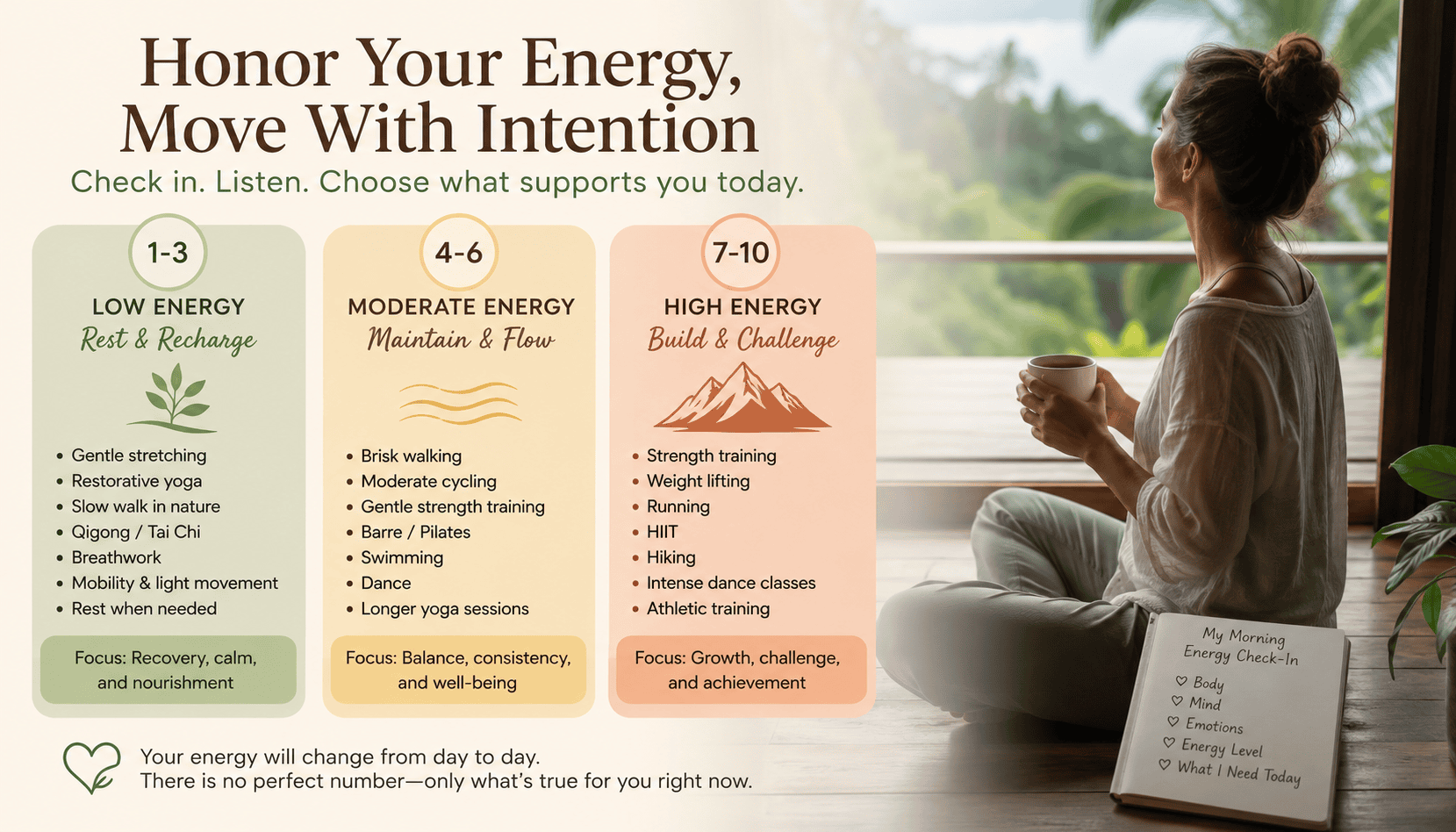
Instead of exercising only to burn calories, explore movement that feels nourishing.
Walking, yoga, qigong, tai chi, stretching, or dancing can help reconnect you with your body.
Spend Time in Nature
Nature naturally encourages a slower rhythm.
A walk through a park, sitting beneath a tree, or listening to the sound of rain can be deeply restorative.
Give Yourself Permission to Rest
Rest before you are completely exhausted.
You do not need to reach burnout before caring for yourself.
Self-Love Is Found in Everyday Choices
Self-love is not a destination.
It is not something you achieve once and then keep forever.
It is a daily practice.
It is found in the choices you make each day:
- Choosing rest when you need it
- Setting healthy boundaries
- Nourishing your body
- Speaking kindly to yourself
- Asking for support when necessary
- Allowing yourself to slow down
These small acts may seem insignificant, but together they create a foundation of self-care and well-being.
A Gentle Reminder
You do not have to earn your worth through constant productivity.
You do not have to prove your value by staying busy.
You are worthy of care, rest, and compassion simply because you are human.
Slowing down is not falling behind.
Sometimes slowing down is exactly what allows us to reconnect with ourselves, hear the wisdom of our bodies, and remember what truly matters.
The next time you feel pressured to rush through life, pause for a moment and ask yourself:
"What would it look like to treat myself with love right now?"
The answer may be simpler—and more healing—than you think.