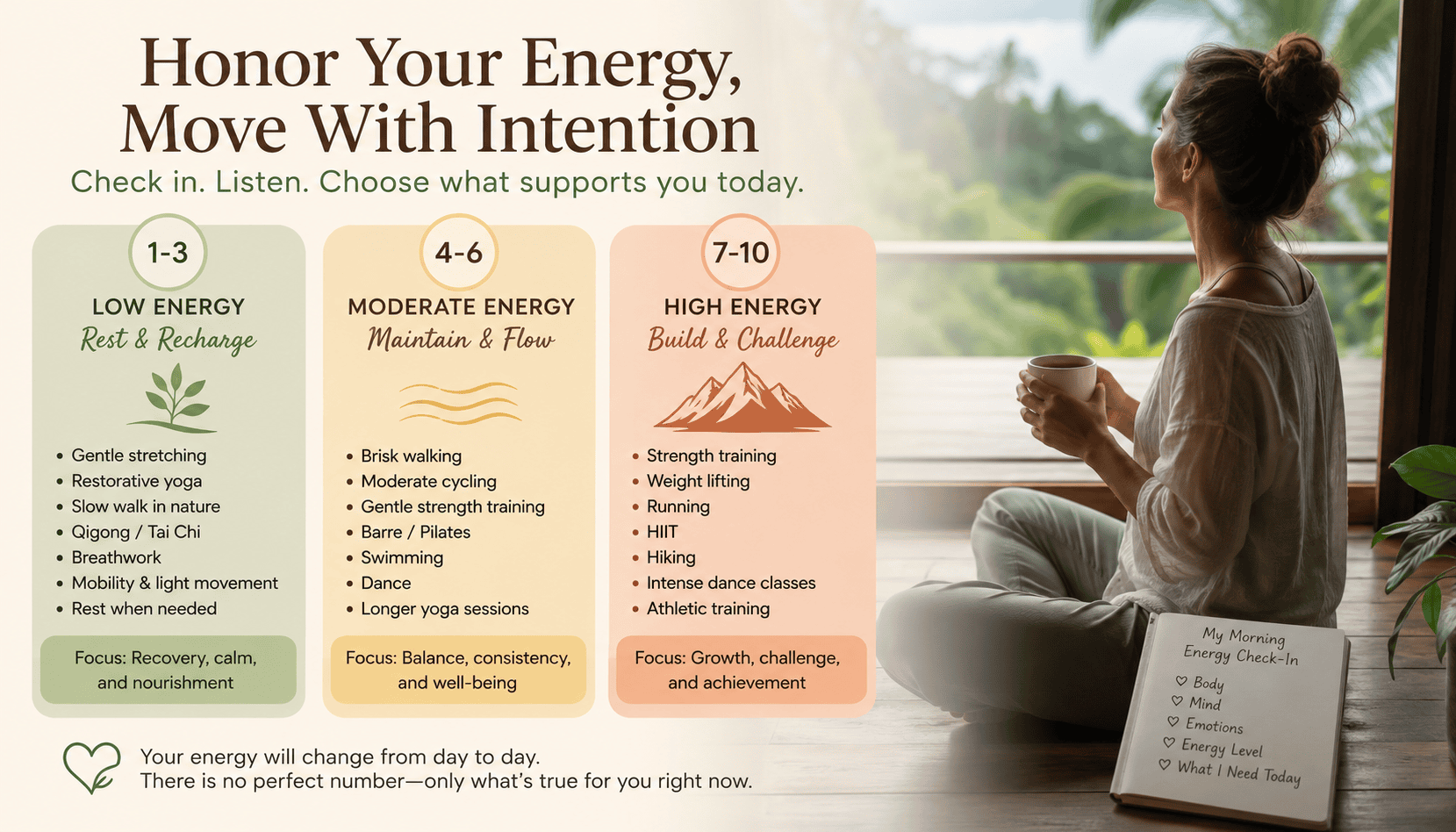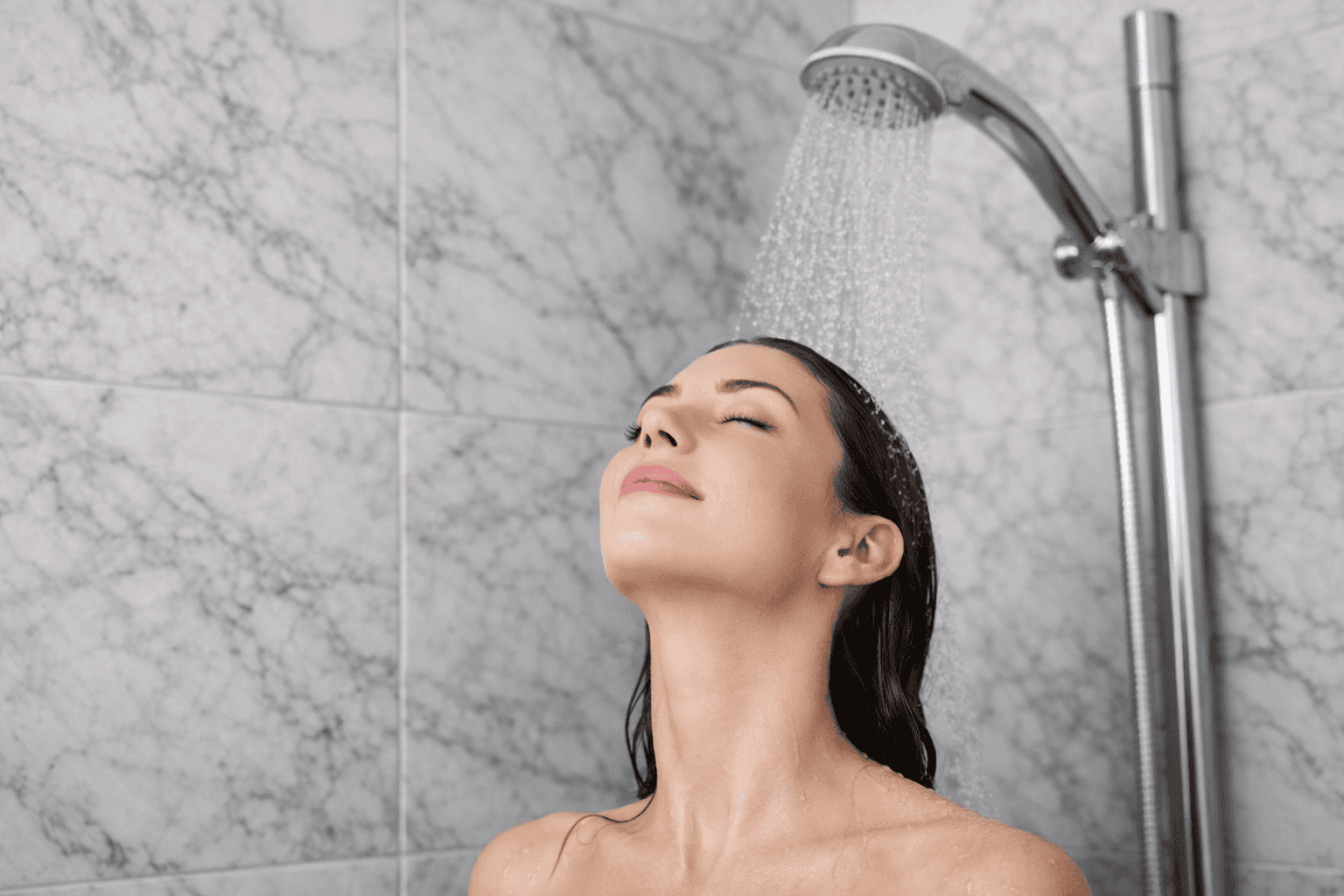

Many people have been taught that pleasure is something extra—a reward to be enjoyed only after all responsibilities are completed. Others may even feel guilty when they experience joy, rest, or enjoyment, believing that productivity and sacrifice are more valuable than pleasure.
However, true healing often invites us to rediscover something essential: the ability to feel good.
Pleasure is not the opposite of healing. In many ways, pleasure can be a pathway to healing. When we learn to experience healthy pleasure, we reconnect with our bodies, calm our nervous systems, nourish our emotions, and create space for greater abundance in life.
What Is Pleasure?
When people hear the word "pleasure," they often think only of physical or sexual pleasure. In reality, pleasure is much broader than that.
Pleasure is any experience that brings genuine enjoyment, satisfaction, comfort, or a sense of aliveness.
Pleasure can be found in simple moments, such as:
- Feeling the warmth of the morning sun on your skin
- Enjoying a nourishing meal
- Listening to music that moves your heart
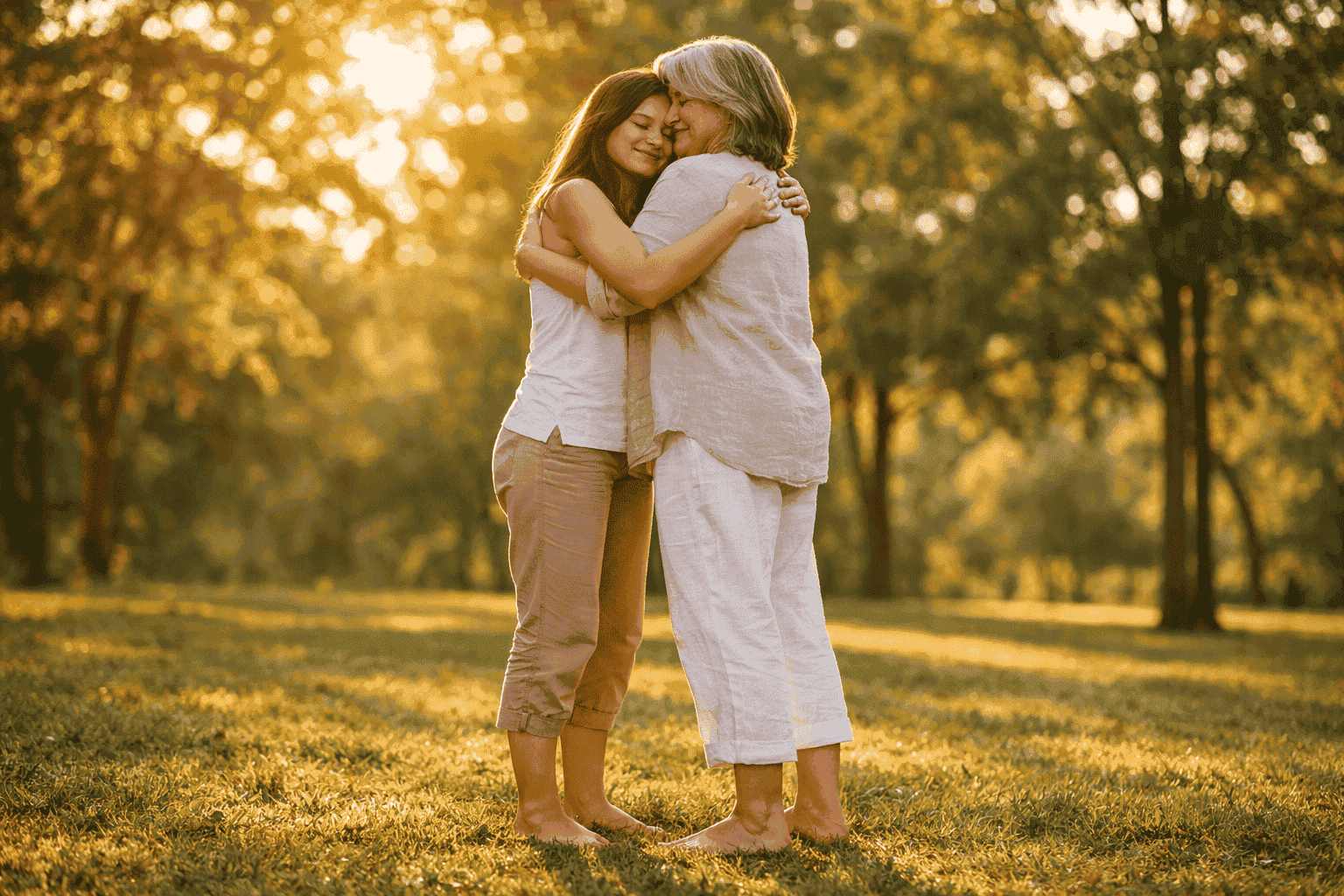
- Receiving a hug from someone you love
- Walking barefoot on grass
- Watching a beautiful sunset
- Laughing with friends
- Creating art or making something with your hands
- Dancing freely
- Resting without guilt
- Taking a deep breath and feeling present
Pleasure is not always intense or exciting. Sometimes it is soft, quiet, and subtle. It is simply the experience of allowing yourself to feel good.
Why Many People Struggle with Pleasure
Many adults have become disconnected from pleasure without realizing it.
This can happen because of:
Stress and Survival Mode
When the nervous system is constantly focused on survival, there is little energy available for enjoyment. The body becomes occupied with managing stress, anxiety, responsibilities, and uncertainty.
Cultural Conditioning
Many people grow up hearing messages such as:
- "Work hard first."
- "Don't be selfish."
- "You have to earn rest."
- "Life is supposed to be difficult."
Over time, these beliefs can create guilt around enjoyment.
Emotional Wounds
Past experiences of rejection, criticism, trauma, or disappointment can make people feel unsafe receiving pleasure.
Some people unconsciously believe:
- "I don't deserve good things."
- "If I relax, something bad will happen."
- "I need to keep struggling."
These beliefs can create resistance to joy and abundance.
The Connection Between Pleasure and Healing
Healing is not only about fixing problems.
Healing is also about restoring connection—to ourselves, our bodies, our emotions, and life itself.
Pleasure helps support this process in several important ways.
1. Pleasure helps regulate the nervous system
When we experience healthy pleasure, the body often shifts from a state of stress into a state of safety.
The heart rate slows.
The breath deepens.
Muscles soften.
The mind becomes calmer.
This state allows the body to activate its natural healing processes.
Many healing modalities recognize that the body heals more effectively when it feels safe rather than threatened.
2. Pleasure brings us into the present moment
Stress often pulls us into worries about the future or regrets about the past.
Pleasure invites us back into the present.
When you fully enjoy a cup of tea, listen to birds singing, or feel the sensation of a gentle breeze, your awareness naturally returns to the here and now.
Presence is one of the foundations of emotional and spiritual healing.
3. Pleasure rebuilds the relationship with the body
Many people spend years ignoring their bodies.
They push through exhaustion.
They suppress emotions.
They disconnect from physical sensations.
Pleasure encourages us to listen again.
The body begins to feel less like a machine that must perform and more like a trusted companion that deserves care and attention.
4. Pleasure Helps Release Emotional Tension
Joy, laughter, creativity, movement, and play can help release emotional energy that has been stored within the body.
This does not mean avoiding difficult emotions.
Rather, pleasure creates balance. It reminds us that healing includes both processing pain and experiencing joy.
Pleasure in Different Areas of Life
Pleasure is multidimensional. It can nourish every aspect of our well-being.
Physical Pleasure
Physical pleasure includes experiences that feel good to the body.
Examples:
- Massage
- Stretching
- Yoga
- Dancing
- Swimming
- Relaxing in nature
- Restful sleep
- Nourishing food
- Warm baths
These experiences help the body feel supported and cared for.
Emotional Pleasure
Emotional pleasure comes from experiences that warm the heart.
Examples:
- Meaningful conversations
- Feeling appreciated
- Sharing love
- Being understood
- Expressing gratitude
- Connecting with friends and family
Humans are naturally relational beings. Emotional connection is deeply healing.
Mental Pleasure
The mind also experiences pleasure.
Examples:
- Learning something fascinating
- Solving a puzzle
- Reading a good book
- Exploring new ideas
- Creative problem-solving
Mental stimulation can bring satisfaction and fulfillment.
Creative Pleasure
Creativity allows life energy to move.
Examples:
- Painting
- Coloring
- Writing
- Singing
- Playing music
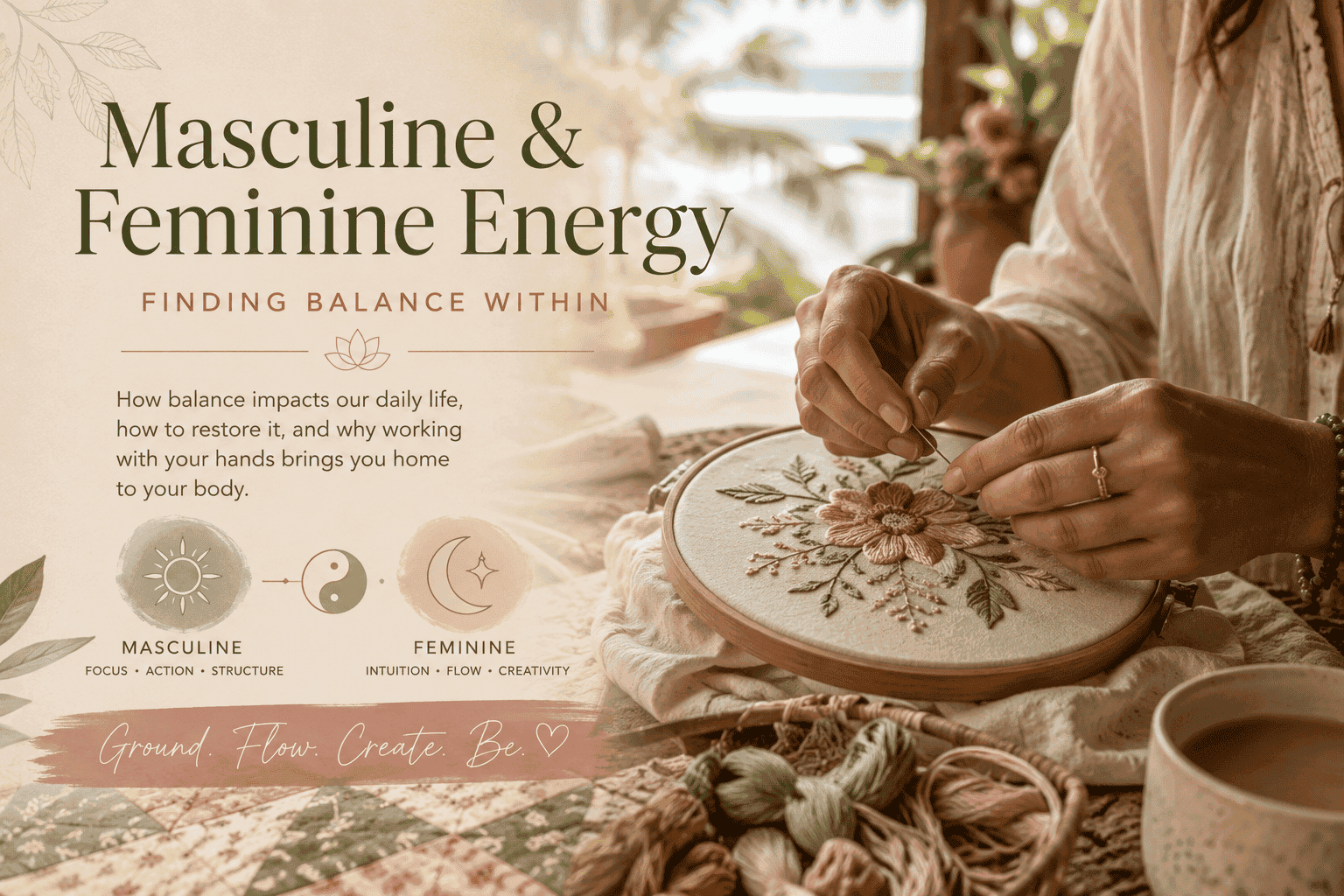
- Embroidery
- Crafting
- Photography
Creative activities often create a state of flow where healing naturally occurs.
Spiritual Pleasure
Spiritual pleasure is the feeling of connection to something greater than ourselves.
Examples:
- Meditation
- Prayer
- Sound healing
- Time in nature
- Sacred movement
- Moments of awe and wonder
This type of pleasure often brings peace, meaning, and inner fulfillment.
How Pleasure Relates to Abundance
Abundance is often associated with money, but true abundance is much broader.
Abundance can include:
- Good health
- Loving relationships
- Opportunities
- Time freedom
- Creativity
- Inner peace
- Joy
- Purpose
- Financial well-being
One reason pleasure is connected to abundance is that both arise from a mindset of receiving rather than constant scarcity.
Scarcity Says:
- There is never enough.
- I must keep struggling.
- I cannot relax.
- Good things are limited.
Abundance Says:
- Life contains opportunities.
- I am open to receiving support.
- I am worthy of joy.
- There is enough space for growth and enjoyment.
When we allow ourselves to experience healthy pleasure, we begin teaching the nervous system that safety, goodness, and support are possible.
This does not magically create abundance overnight.
However, it often changes how we relate to life.
People who feel nourished tend to have more energy, creativity, confidence, and openness. These qualities can help create opportunities in relationships, work, health, and personal growth.
Pleasure Is Not the Same as Escapism
It is important to distinguish healthy pleasure from avoidance.
Healthy pleasure helps us become more connected to life.
Escapism helps us disconnect from life.
For example:
Healthy pleasure:
- Taking a mindful walk
- Enjoying a meal
- Creating art
- Spending time with loved ones
Escapism:
- Constant distraction
- Excessive scrolling
- Numbing emotions
- Avoiding important responsibilities
The difference lies in awareness.
Healthy pleasure leaves us feeling nourished and more present.
Escapism often leaves us feeling depleted and disconnected.
Simple Ways to Invite More Pleasure into Daily Life
You do not need a luxury vacation or a perfect life to experience pleasure.
Start with small moments:
- Drink your tea slowly and mindfully.
- Listen to music you love.
- Spend five minutes in the sunshine.
- Watch the clouds.
- Dance to one song.
- Take a mindful walk.
- Enjoy a nourishing meal without rushing.
- Hug someone you care about.
- Create something with your hands.
- Rest when your body asks for rest.
Small moments of pleasure can have a profound impact when practiced consistently.
A Gentle Reminder
Pleasure is not selfish. It is not frivolous. It is not something that must be earned after endless effort.
Healthy pleasure helps regulate the nervous system, reconnect us with our bodies, support emotional well-being, deepen spiritual connection, and create a greater sense of abundance in life.
Healing is not only about releasing pain. It is also about expanding our capacity to experience joy, beauty, connection, and fulfillment.
Sometimes the path toward greater well-being begins with a simple question: